BARC logo

Description

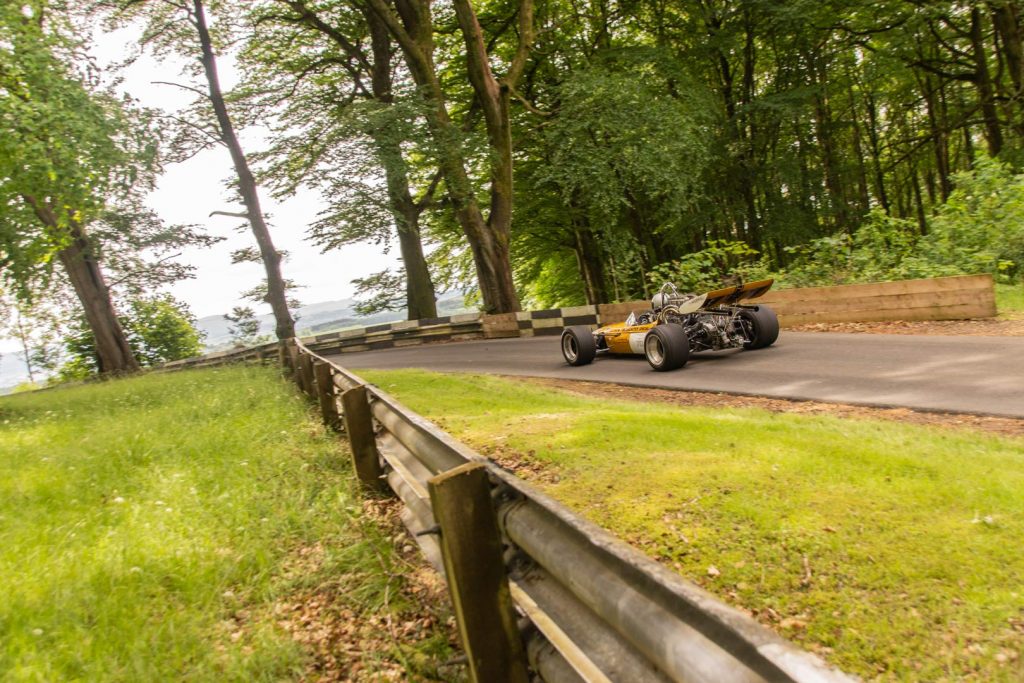
The British Hill Climb Championship is one of the worlds oldest forms of Motorsport. Racing started way back in 1905 at the famous Shelsley Walsh Hill Climb in the UK.

The category has forged a reputation for itself as being one of the most prestigious hill climb championships – with a glittering array of champions being crowned throughout its long and illustrious history.

Vehicle details

AVERAGE GRID SIZE

1

NUMBER OF ROUNDS

12

SEASON COST

£10,000

AVERAGE CAR COST (USED)

£20,000

FRONT RUNNING CAR COST

100000+

gallery

extras

how it works

Drivers are scored based on quickest timed runs. Cars break a timing beam at the start line and break another beam at the finish – quickest driver wins. Dependent on the event drivers will get three or four practice runs and two to three timed runs over the course of a weekend. Each of the above meetings will comprise two qualifying rounds of the Championship.

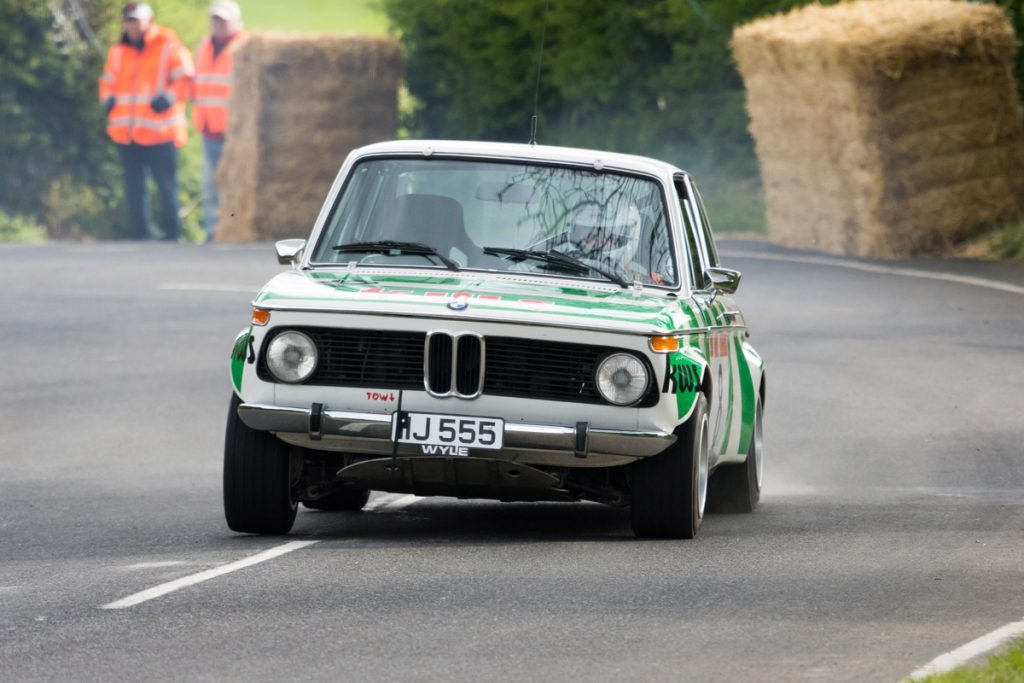
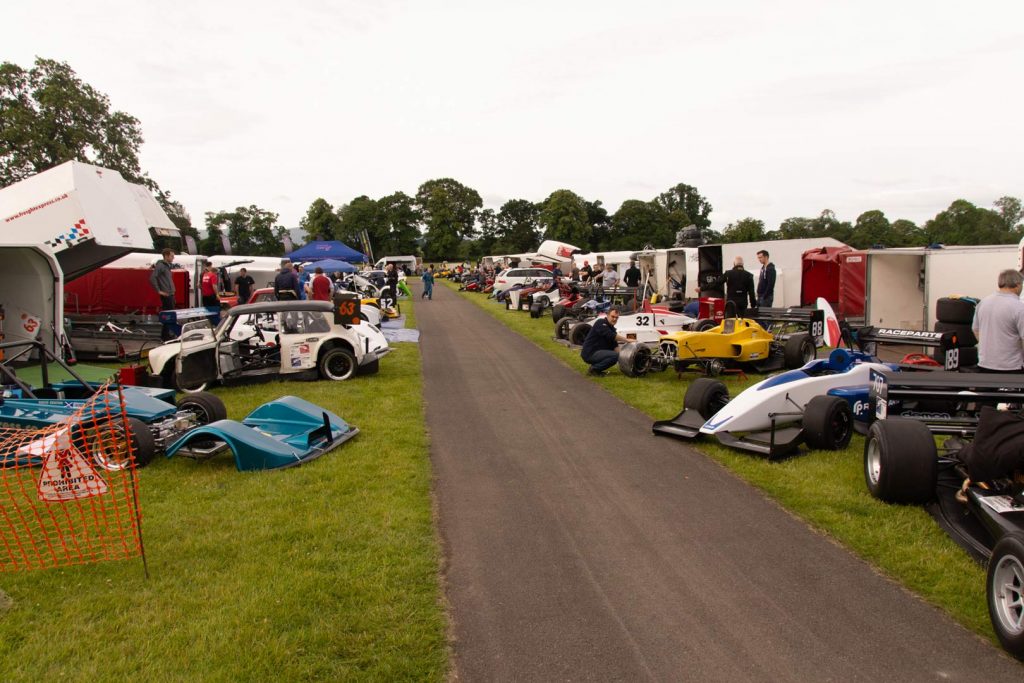
Hill Climbing is made up of many different classes and thus a variety of different car types. There are classes to suit production cars right up to single seater racing cars and because of this budget is fairly flexible.

For example, if you want to use a road going car, be that your weekend toy or everyday road car, and many people do, then here is a list of requirements:

Have a sticker on the ignition key or cut out switch indicating which way to turn it off
Have stickers indicating the location of the extinguisher toggle (if fitted) and tow points
Have a yellow battery earth cable (yellow tape works wonders here)
Have your race number on the sides of the car (magnetic door squares are available or stick some numbers on a white background in the rear windows)
A timing splitter
Secure seats
Two throttle return springs
A generally good-condition car
If you are entering a roadgoing class then the car must have a valid MOT and insurance. And if your car is built in quantities of less then 1000 per year then it will require a roll cage.

video

scoring and points system

The first 2 competition runs only at each event will count towards Championship scoring. Points will be awarded to each Championship class and registered contenders will be awarded points according to their position in the class on each class run. The number of starters in a class is defined as the number of competitors starting the timed runs.

The points awarded for each Championship class on each qualifying run will be:

1st = 9 points, 2nd = 6 points, 3rd = 4 points, 4th = 3 points, 5th = 2 points, 6th = 1 point

Should there be less than 6 starters in class, then points will be reduced accordingly: 5 starters:

1st = 9, 2nd = 6, 3rd = 4, 4th = 3, 5th = 1 point 4 starters: 1st = 9, 2nd = 6, 3rd = 4, 4th = 1 point 3 starters: 1st = 9, 2nd = 4, 3rd = 1 point 2 starters: 1st = 6, 2nd = 1 point 1 starter: 4 point

organiser

  • BARC

Costs per season

Hill Climbing accommodates a range of budgets due to the large variety of classes. You can race anything from a standard road car all the way up to a V8 single seater. Once you have covered the cost of the safety equipment i.e. a helmet, overalls etc you can look at prepping a car. For a road going class car all you need to do is abide by the safety regulations which are fairly standard across race series. Some of which include having a fire extinguisher, covering up headlights and ensuring you have racing harnesses.

Event entry can range from £150 – £250 per event.

prerequisites

Gain a 2020 RS Clubman License and A non-race National B Speed License from the MSA